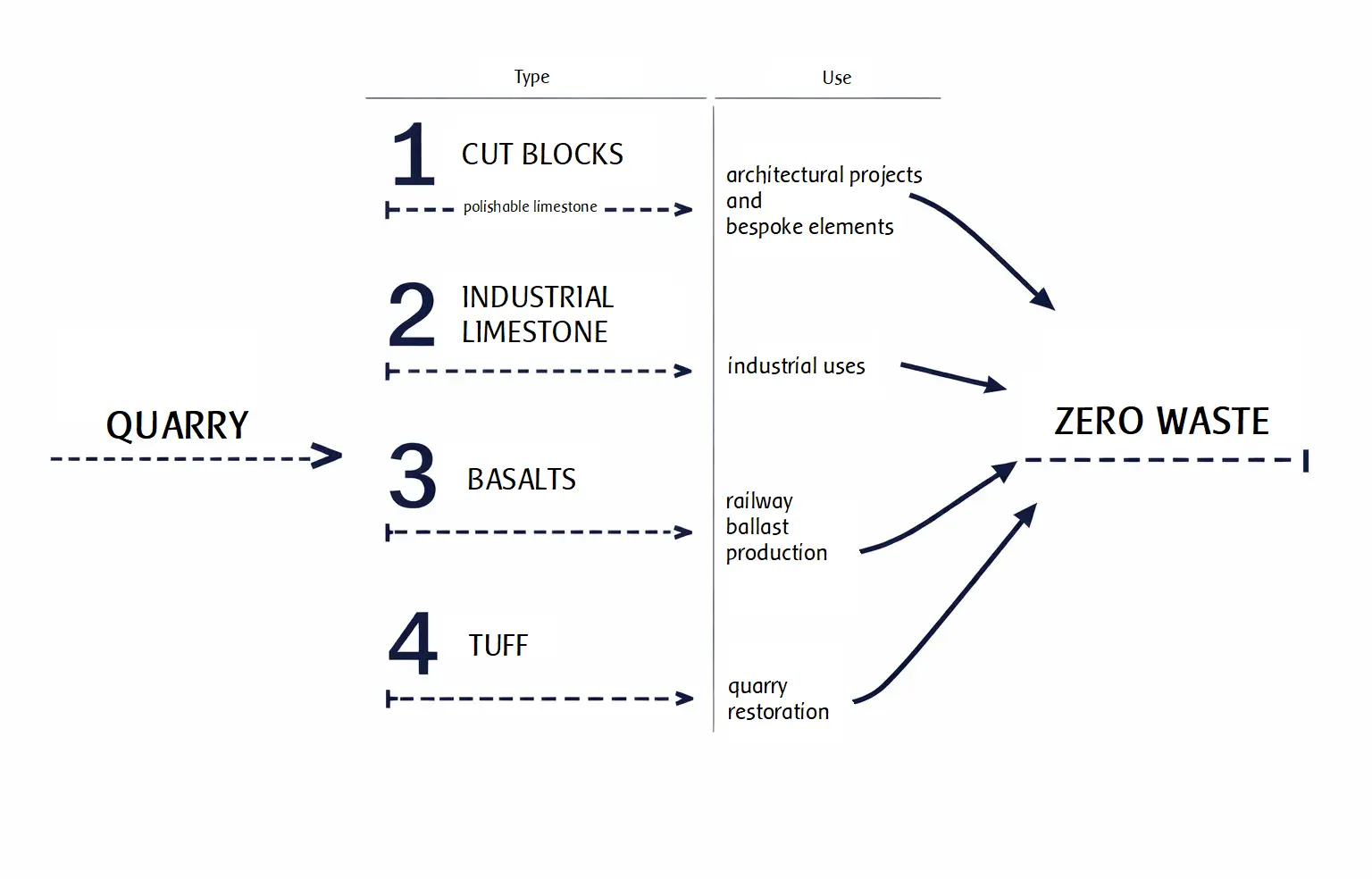
The circular economy replaces the linear make-use-dispose model with a closed-loop model, thereby minimizing the consumption of raw materials, waste, and pollution. The intent is to integrate material and energy resources already employed within the production process, thus eliminating the concept of “waste” and replacing it with terms such as “recovery,” “recycling,” and “sharing.”
From extraction to zero-waste production
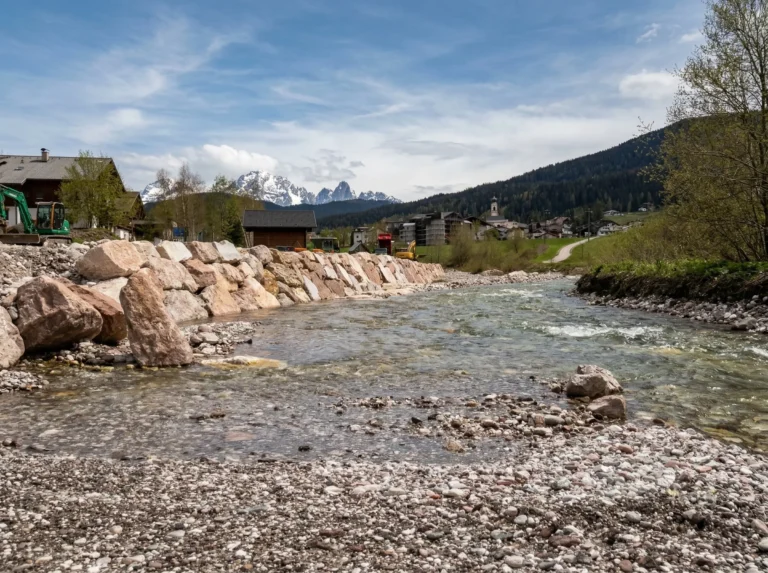
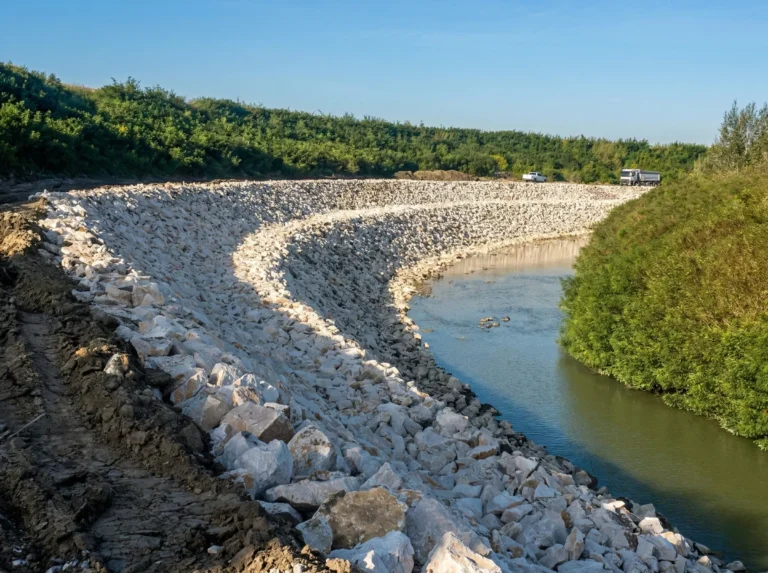
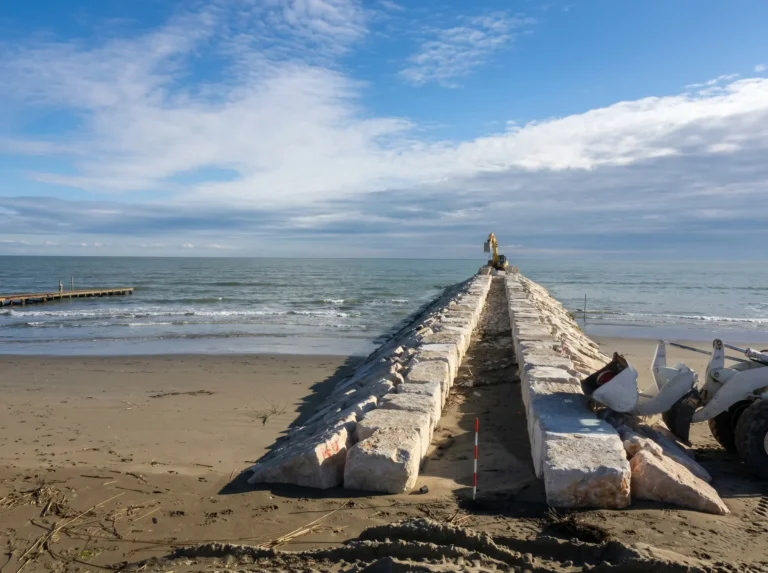
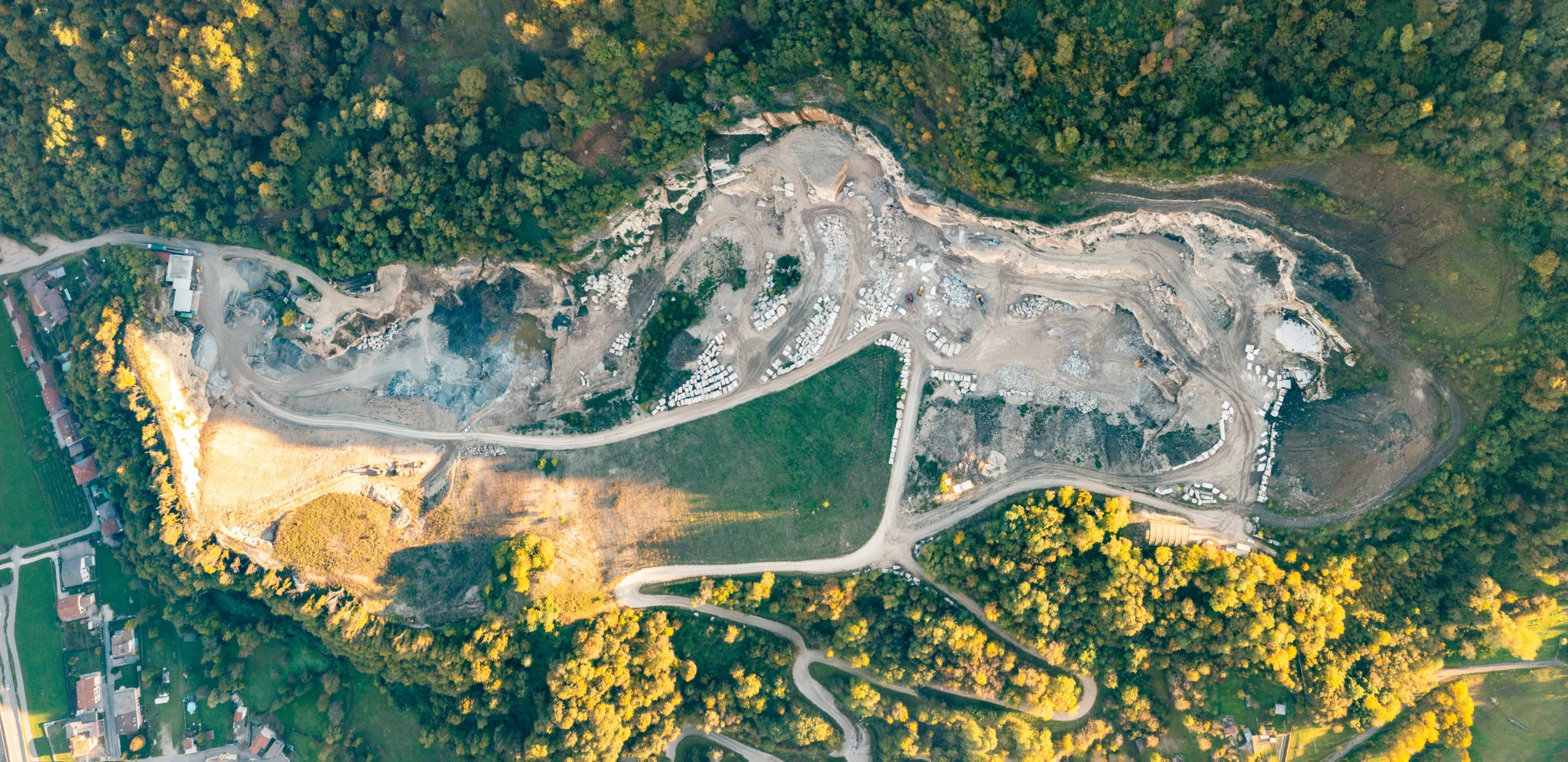
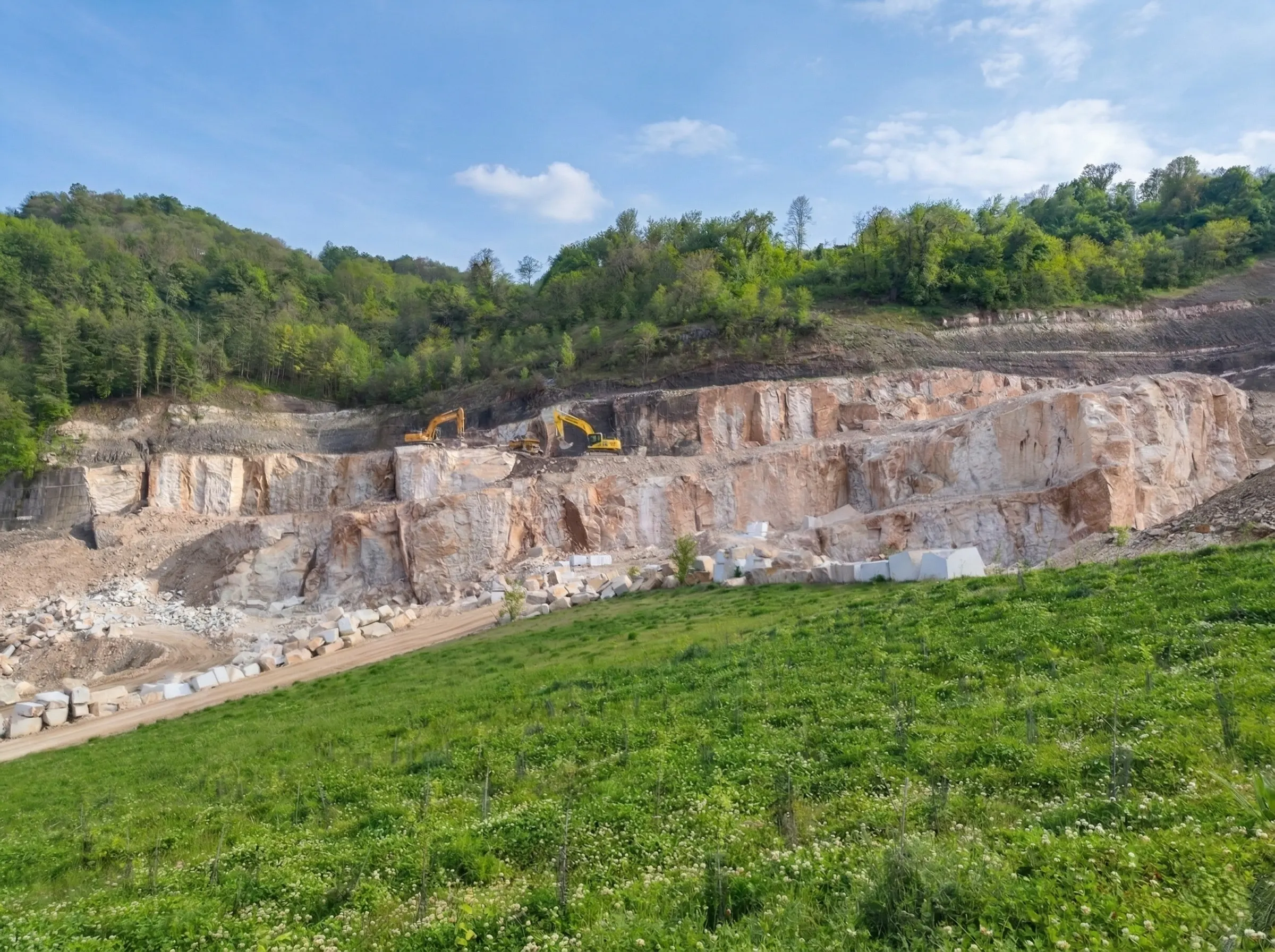
Pieces that do not fit within cutting blocks are used for bank protection and to respond to emergency events in cases of flooding.
Environmental sustainability
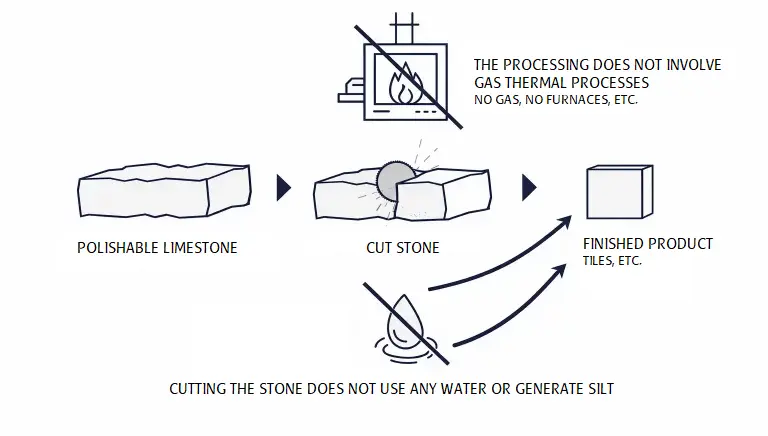
In processing
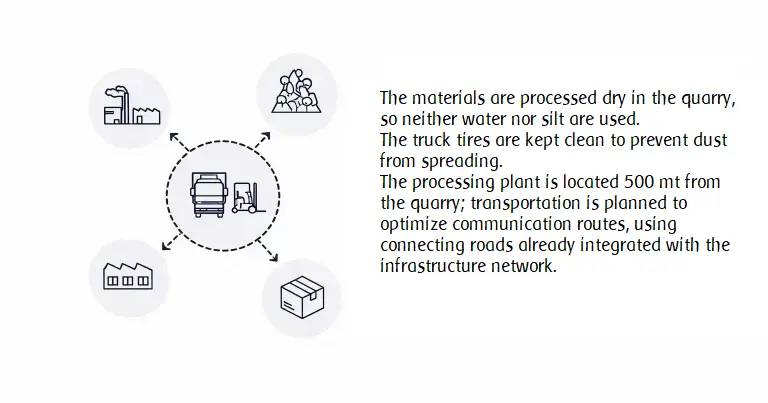
In transportation
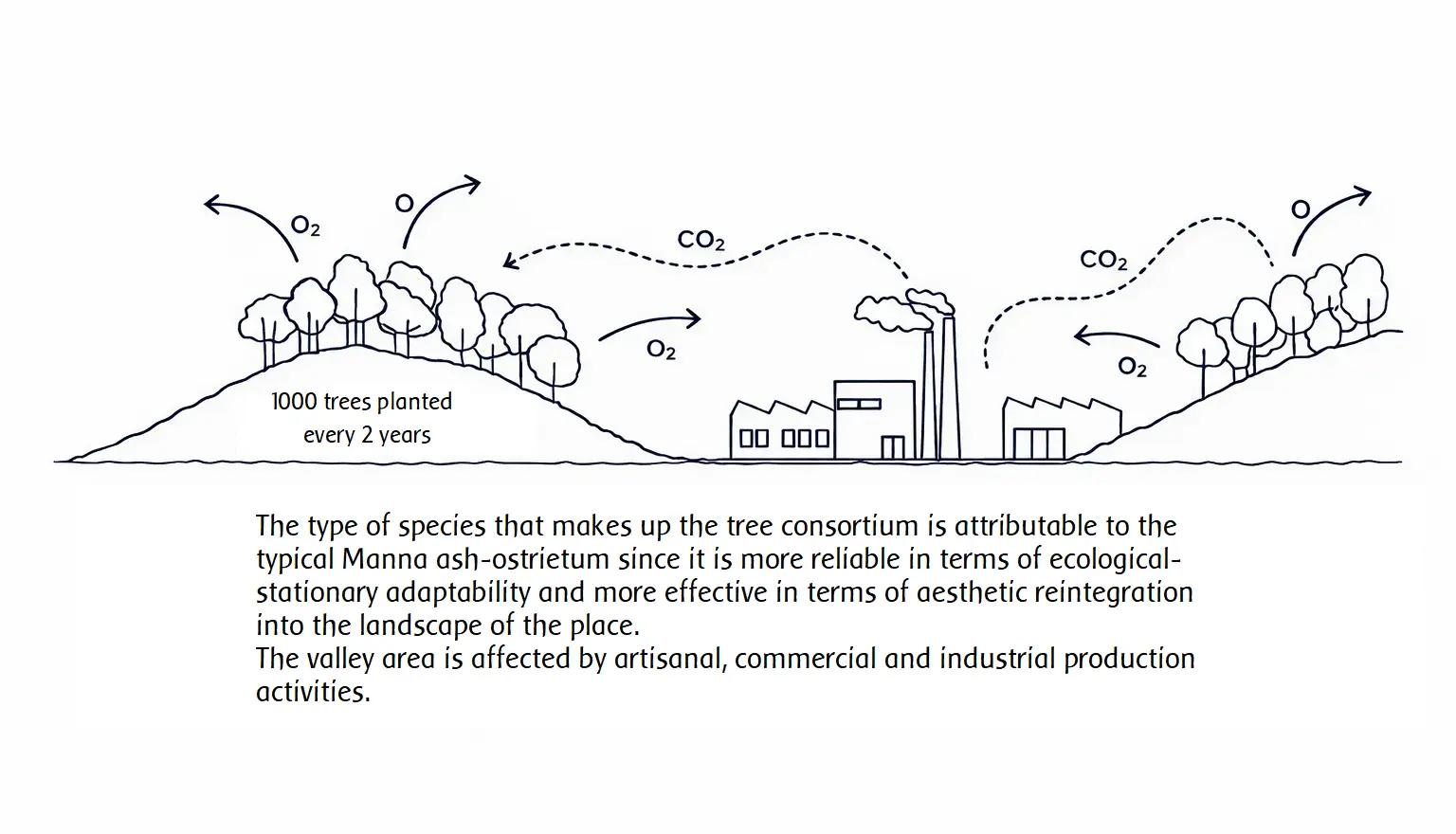
Decarbonization
Decarbonization refers to the process of reducing carbon-hydrogen in energy sources. It is a process aimed at reducing the quantities of carbon dioxide (CO₂) in the atmosphere, a gas essential for life on Earth but harmful when it exceeds its concentration level. Decarbonization is therefore strongly connected, in particular, to the reduction of harmful emissions resulting from the use of energy produced from fossil fuels (coal, gas, and oil).
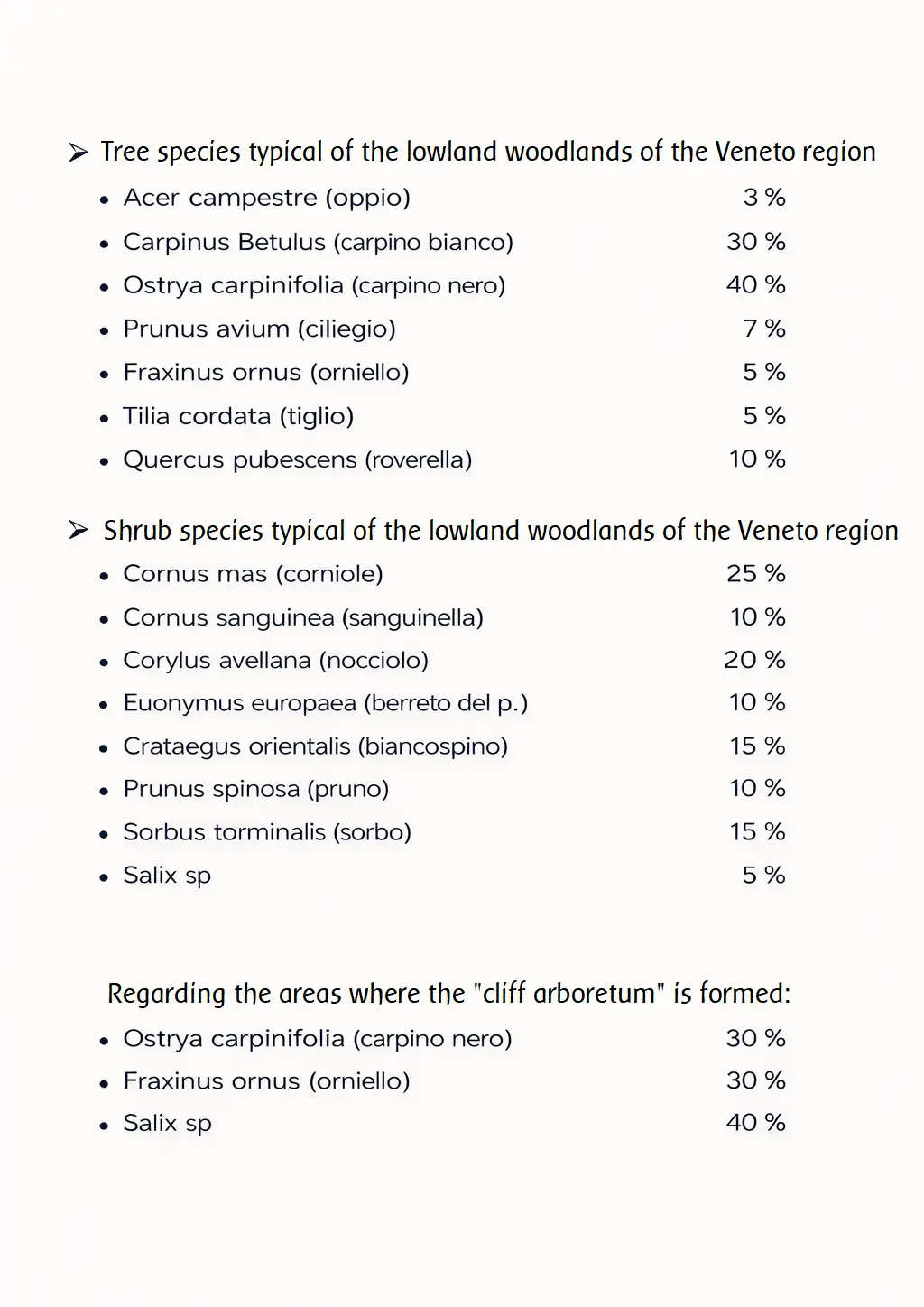
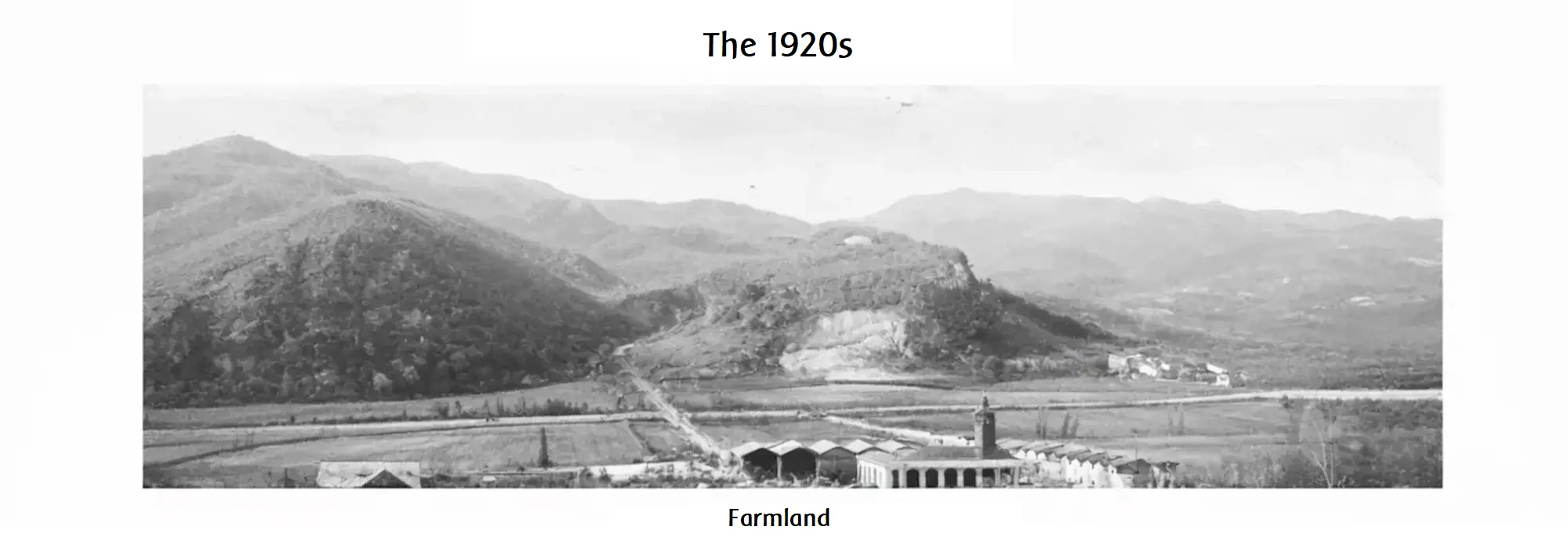
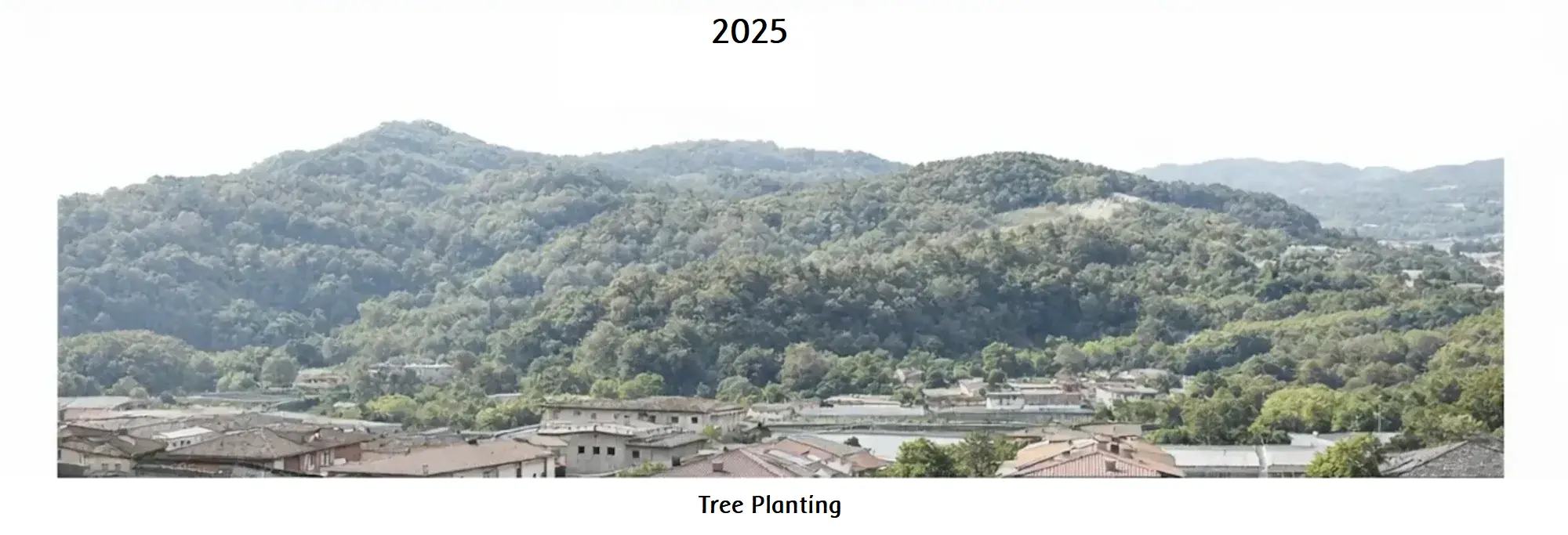
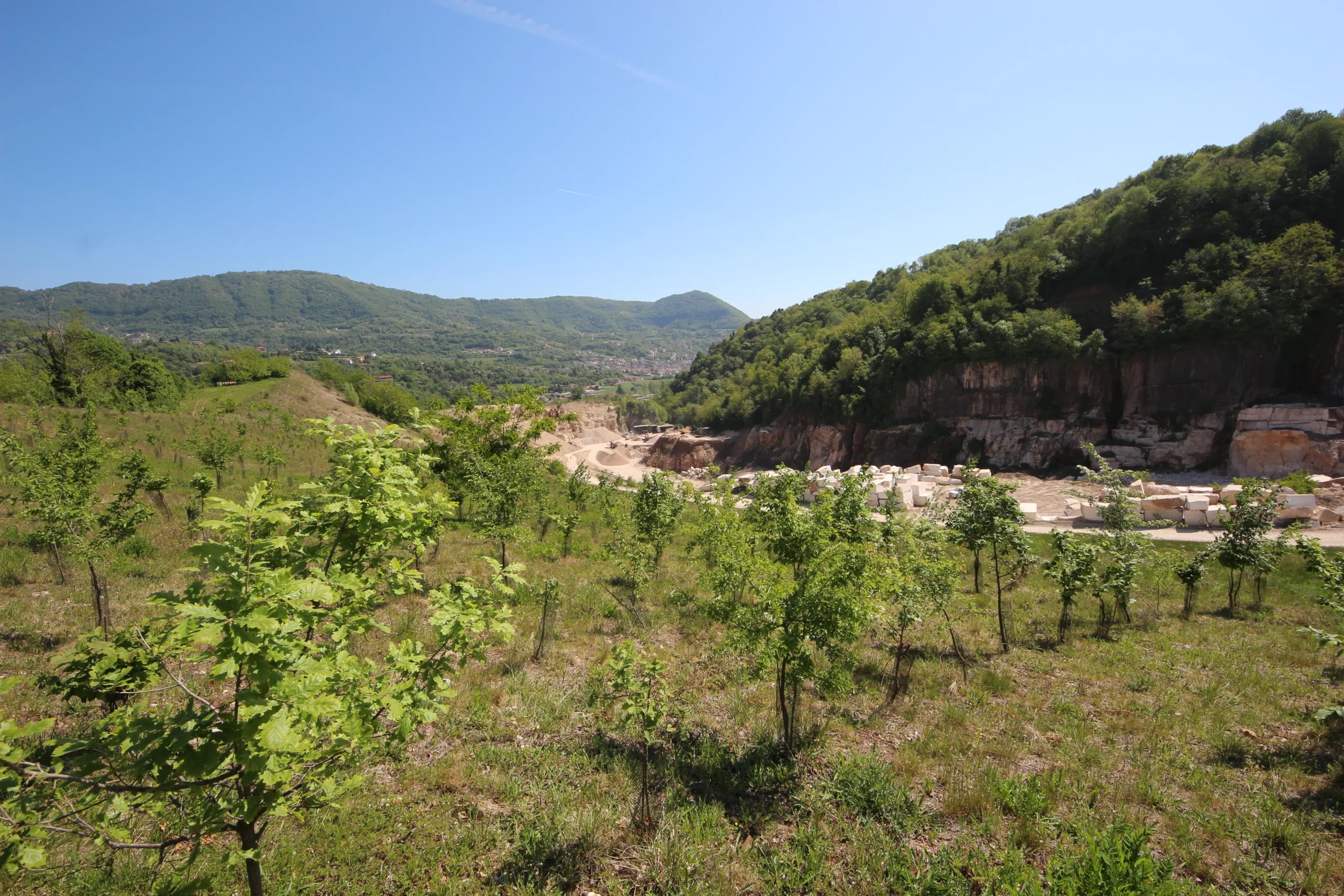
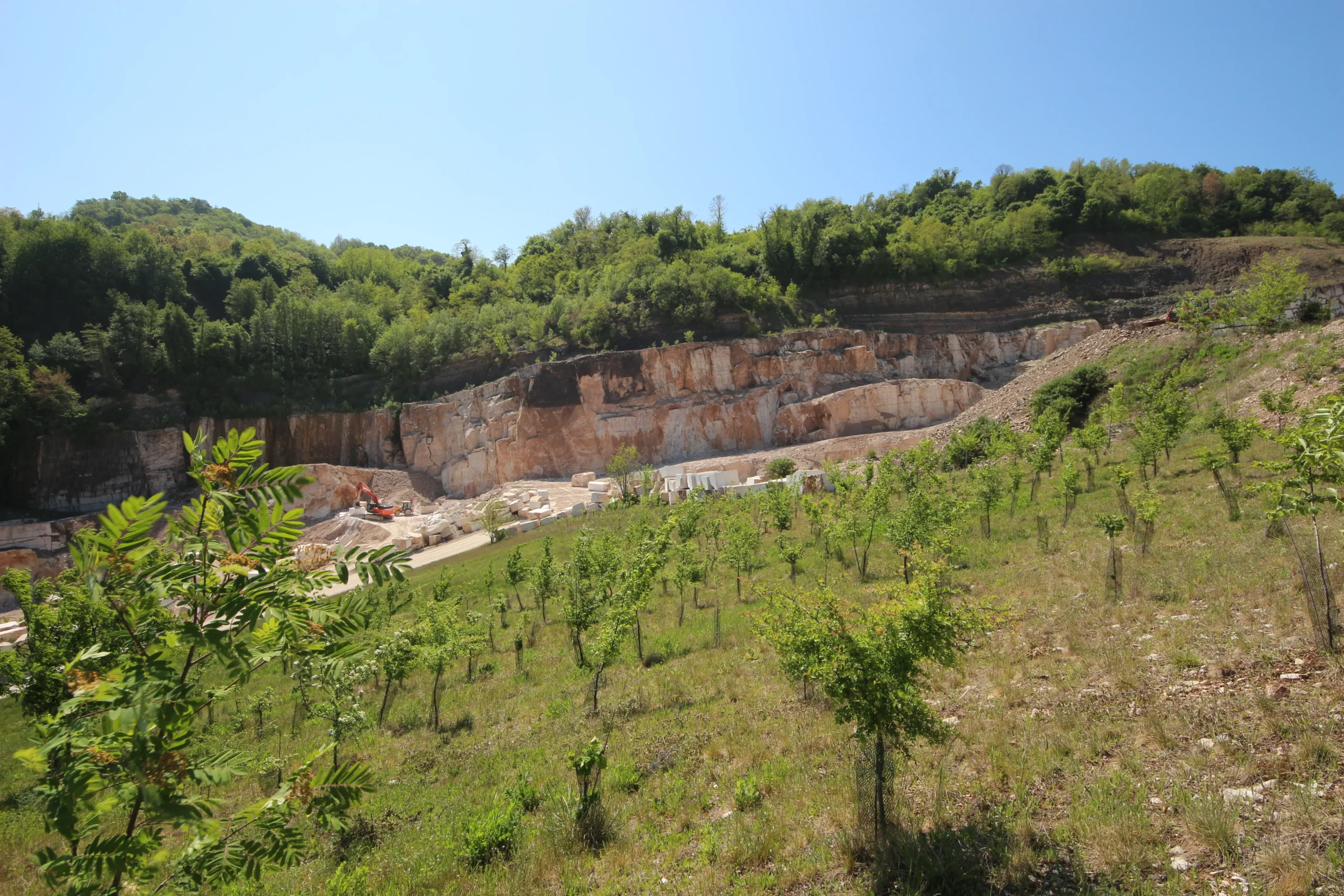
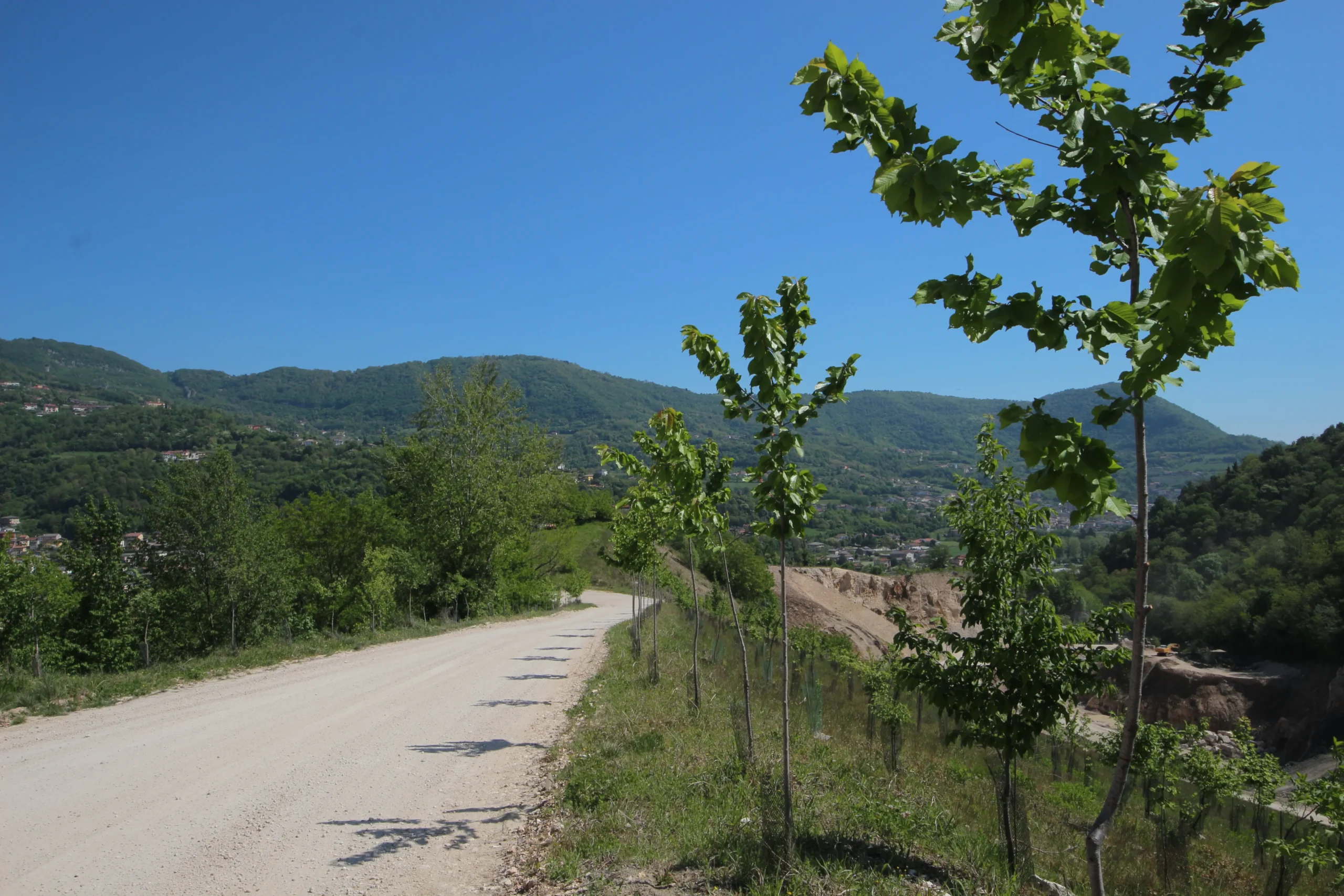
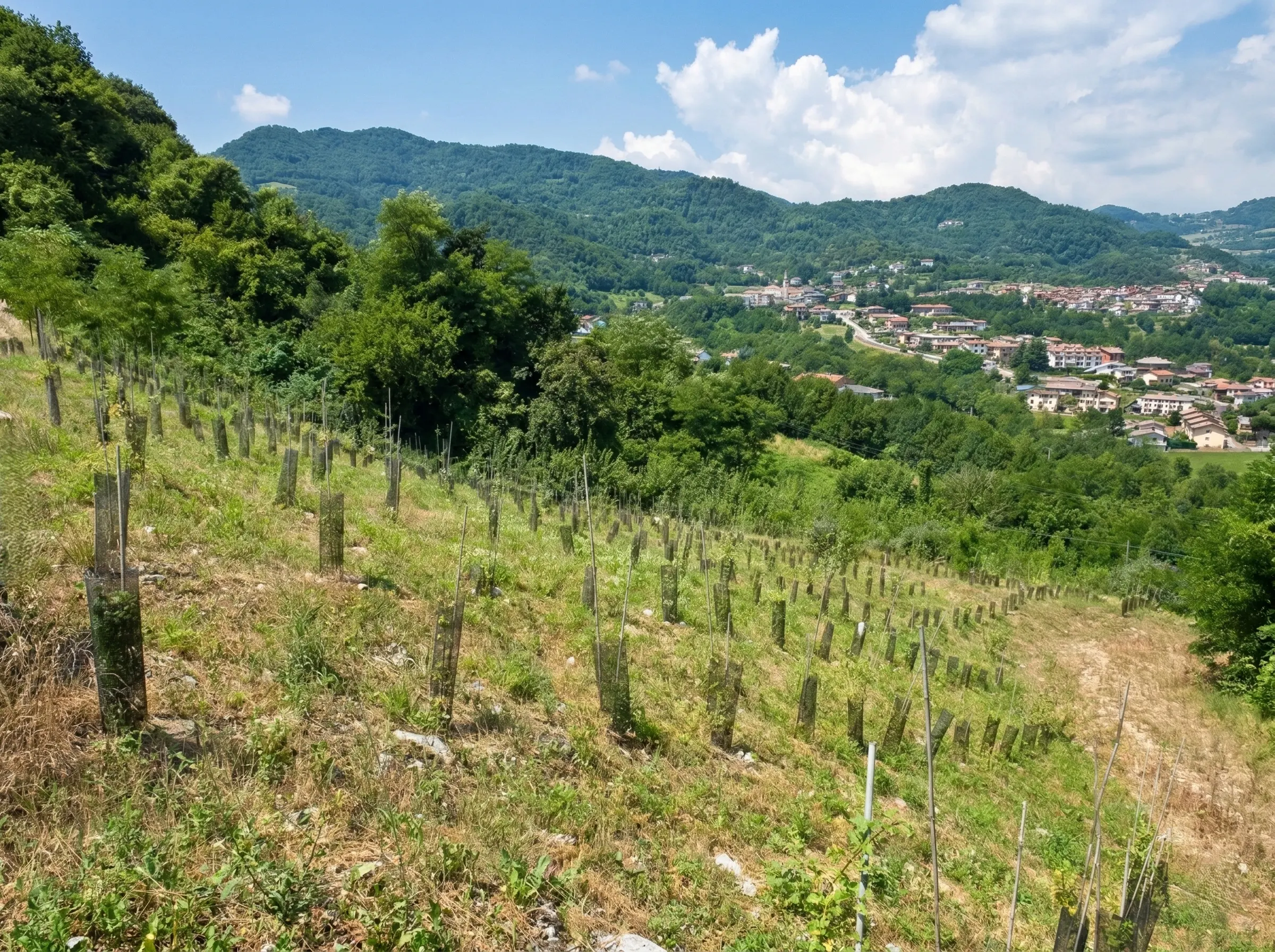
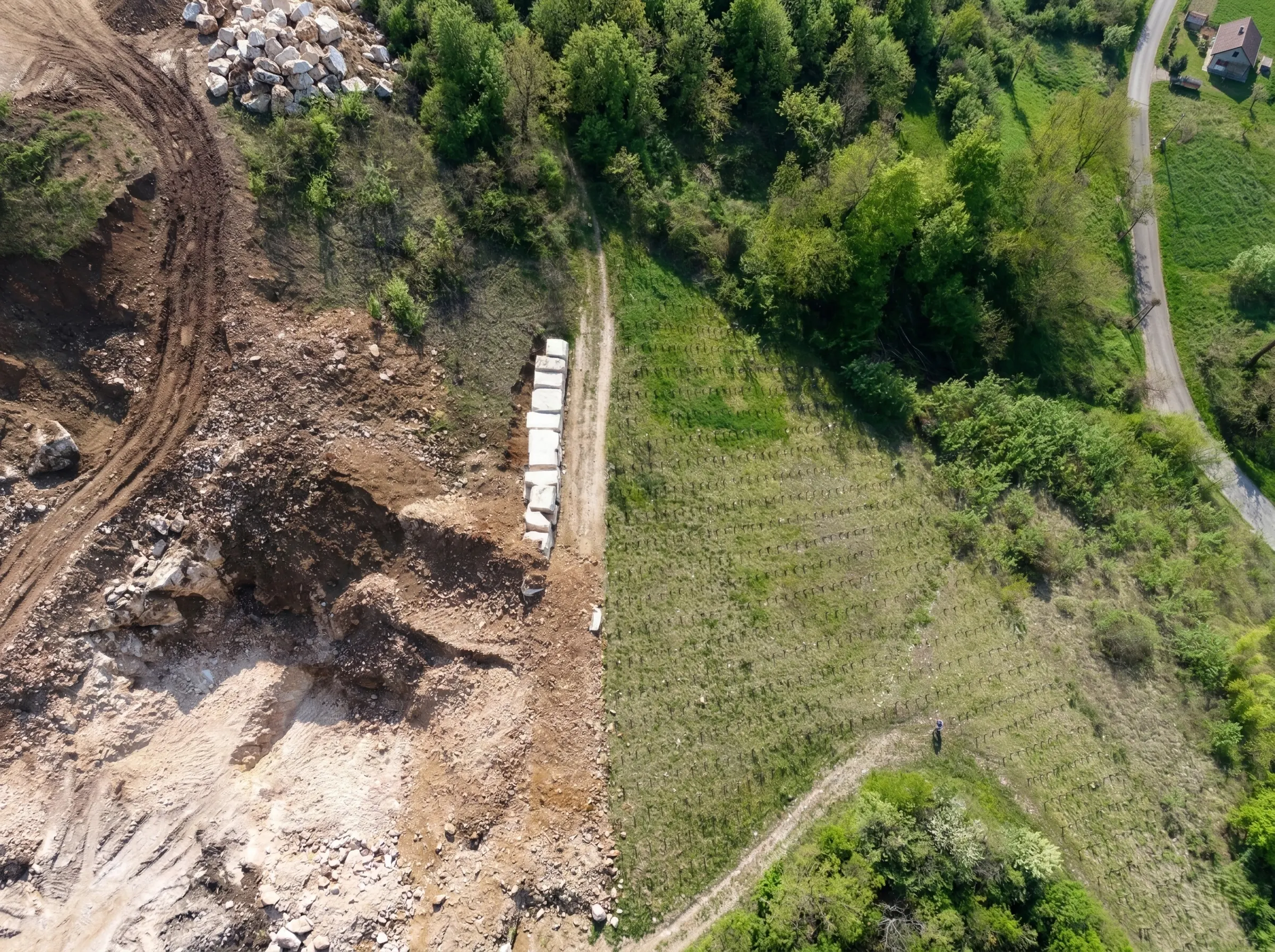
Greening works aim to anticipate the natural processes of vegetation colonization in the area, making it possible to facilitate the establishment of ecologically coherent species. Recovery is implemented using different types of intervention based on the specific characteristics of each sector, the terrain morphology, and the purpose of individual works. The environmental restoration project tends, as a whole, toward the renaturalization of the quarry area, favoring a type of restoration designed to ensure the success of the environmental installation, with the introduction of plant associations native to the area capable of self-maintaining and developing over time.
Planting also in collaboration with schools
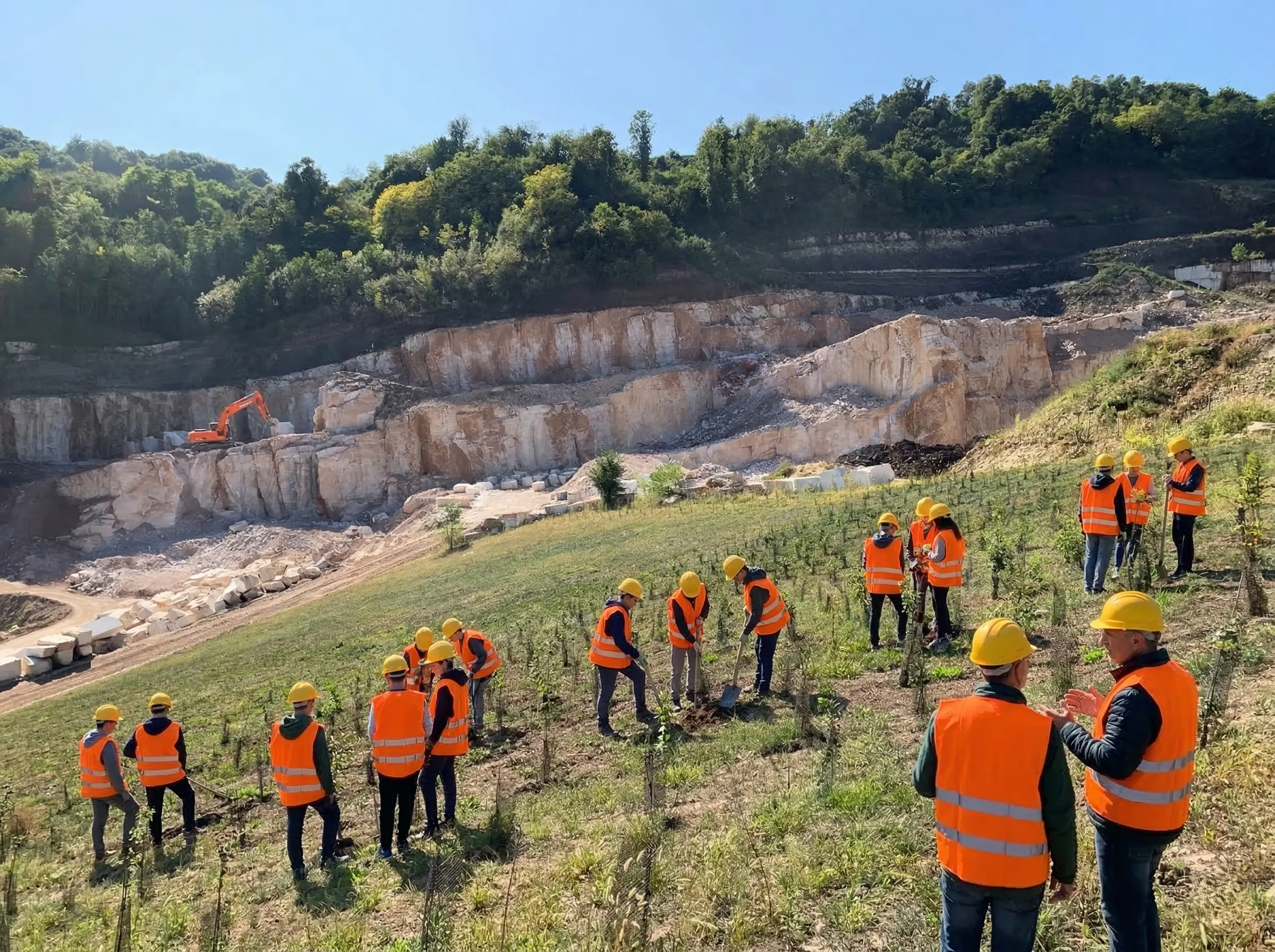
Every spring, Marmi Faedo opens the quarry doors to school groups, particularly middle school students, organizing a day dedicated to planting new trees. The appointment with third-year classes from the Cornedo middle school is a regular event that repeats every year. It is a “green” opportunity designed to raise students’ awareness of environmental respect and to introduce them to the territory where they live and the extraction activity. During the visit, students directly participate in planting trees in areas undergoing environmental recovery. This initiative complements the company’s ongoing commitment to quarry area restoration.
Apiary
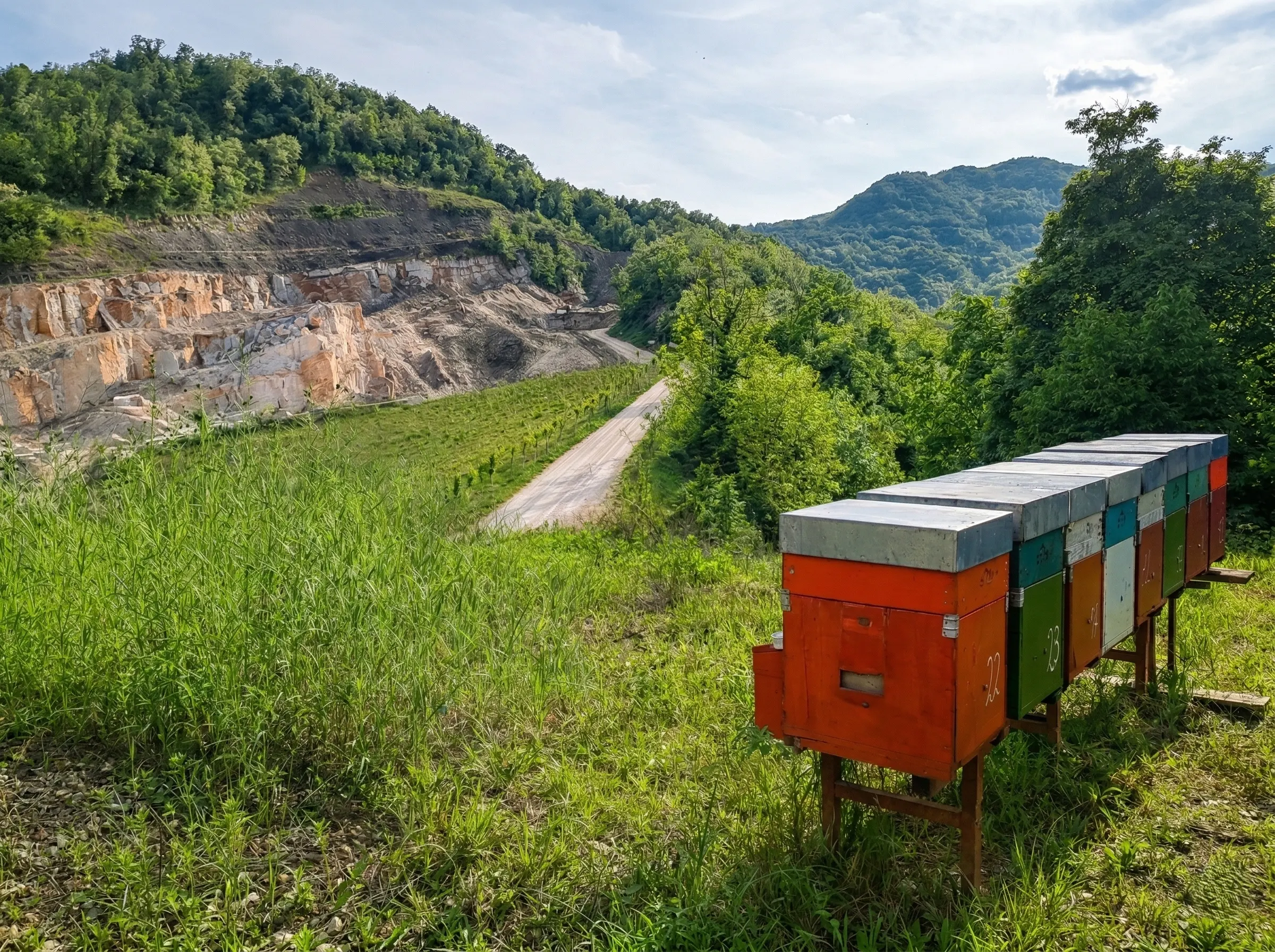
In the restored areas of the Grolla quarry, we have created a dedicated space for beehives, where bees industriously produce their honey. The presence of these insects, extremely sensitive to vibrations and noise, is concrete proof of environmental quality and genuine territorial recovery, a result that fills us with pride.